
What, So What, Now What?
“A Liberating Structure for sense-making that moves through three questions.”
Something went wrong last sprint. The team jumped straight to actions. Two weeks later the same thing happened again.
What, So What, Now What? is a sense-making technique that moves through three questions in order. What happened? (facts and observations). So What? (why does it matter — the implications). Now What? (what actions follow). The structure prevents jumping to conclusions by requiring explicit progression from observation through interpretation to action.
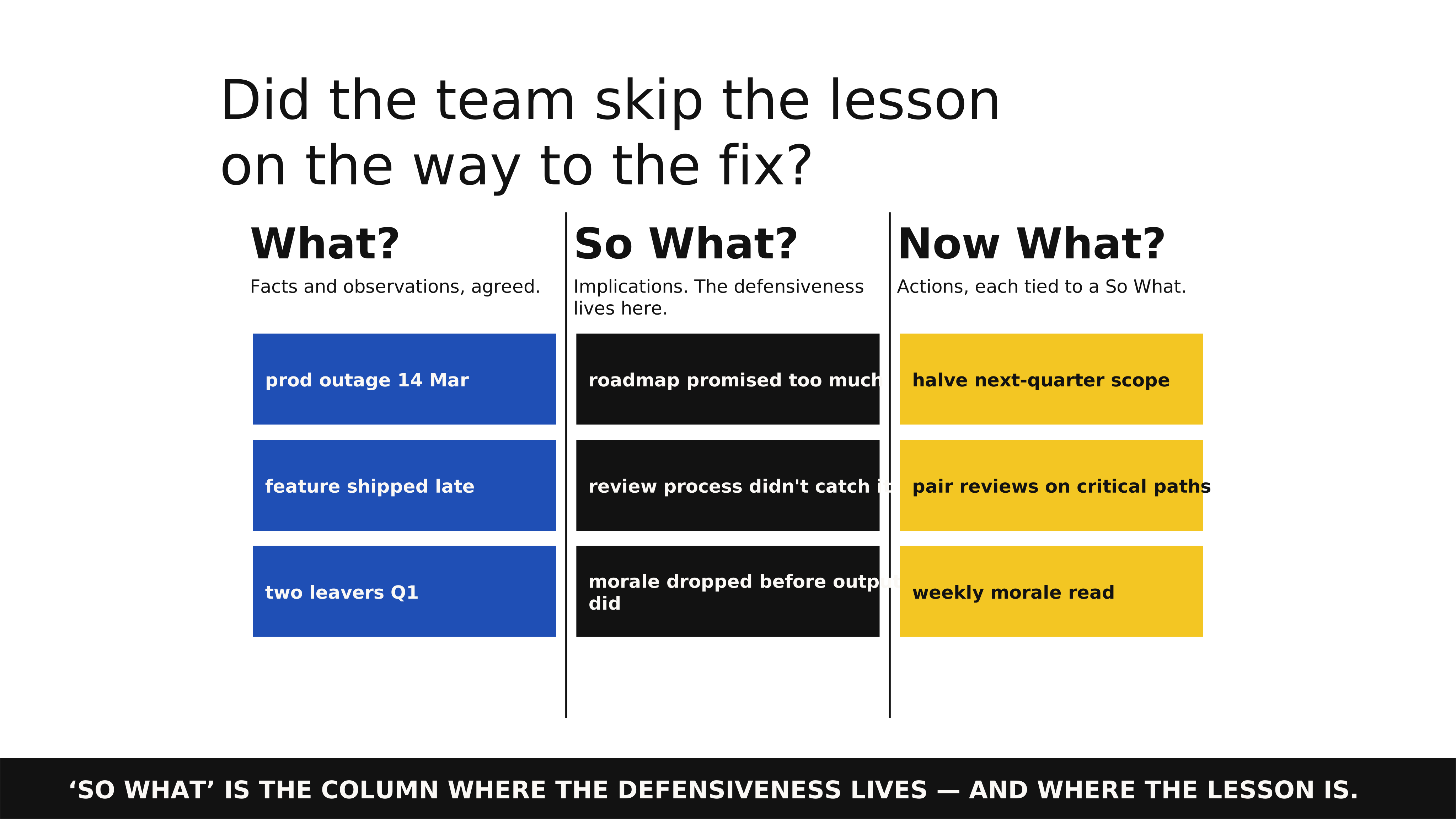
The "So What?" step is where the actual insight lives — the move from facts to meaning. Most teams skip it, which is why their action items fix symptoms rather than causes. Reach for it in retrospectives, after incidents, or any situation requiring reflection before action.
The three questions work because they slow the group down just enough to think before doing. It fails when the team doesn't allow genuine reflection time — rushing through "So What?" defeats the purpose — or when the facts themselves are disputed, in which case you need alignment on "What?" before anything else is possible.
Your next move: When something went wrong last sprint, did your team actually pause on 'So what?' — or did you skip straight to fixing it and miss the lesson the whole incident was trying to teach you?
What it looked like for them
Marc Hedlund, Wesabe, 2010. Hedlund's post-mortem of Wesabe — the personal finance startup that lost to Mint — follows the What, So What, Now What structure almost exactly.
What happened: Wesabe required users to manually categorise transactions while Mint automated the process; Wesabe prioritised financial behaviour tools over immediate utility. So what: users chose the path of least friction, and Mint's automated approach won despite Wesabe's deeper functionality.
Now what: Hedlund named the specific decisions he'd reverse — automated data import from day one, utility before behaviour change, less ideology about user privacy and more pragmatism about what users would actually do. The post-mortem doesn't hedge.
It doesn't distribute blame to the market or to timing. It names the calls, explains why they were wrong, and states what should have been done instead. That's the What, So What, Now What discipline applied to a company's life: what happened, what it means, what changes next.
“The room has gone quiet and I don't know what to ask next.”