
Facilitation Techniques
“Methods for guiding groups through productive discussions and decisions.”
The meeting is ninety minutes long. Forty minutes in, two people are debating a tangent. Nobody intervenes. The agenda is fiction.
Facilitation techniques are methods for guiding groups through productive discussions and decisions — structured discussions, Lean Coffee, dot voting, timeboxing, and dozens more. You select the right technique for the situation, then manage process so participants can focus on content.
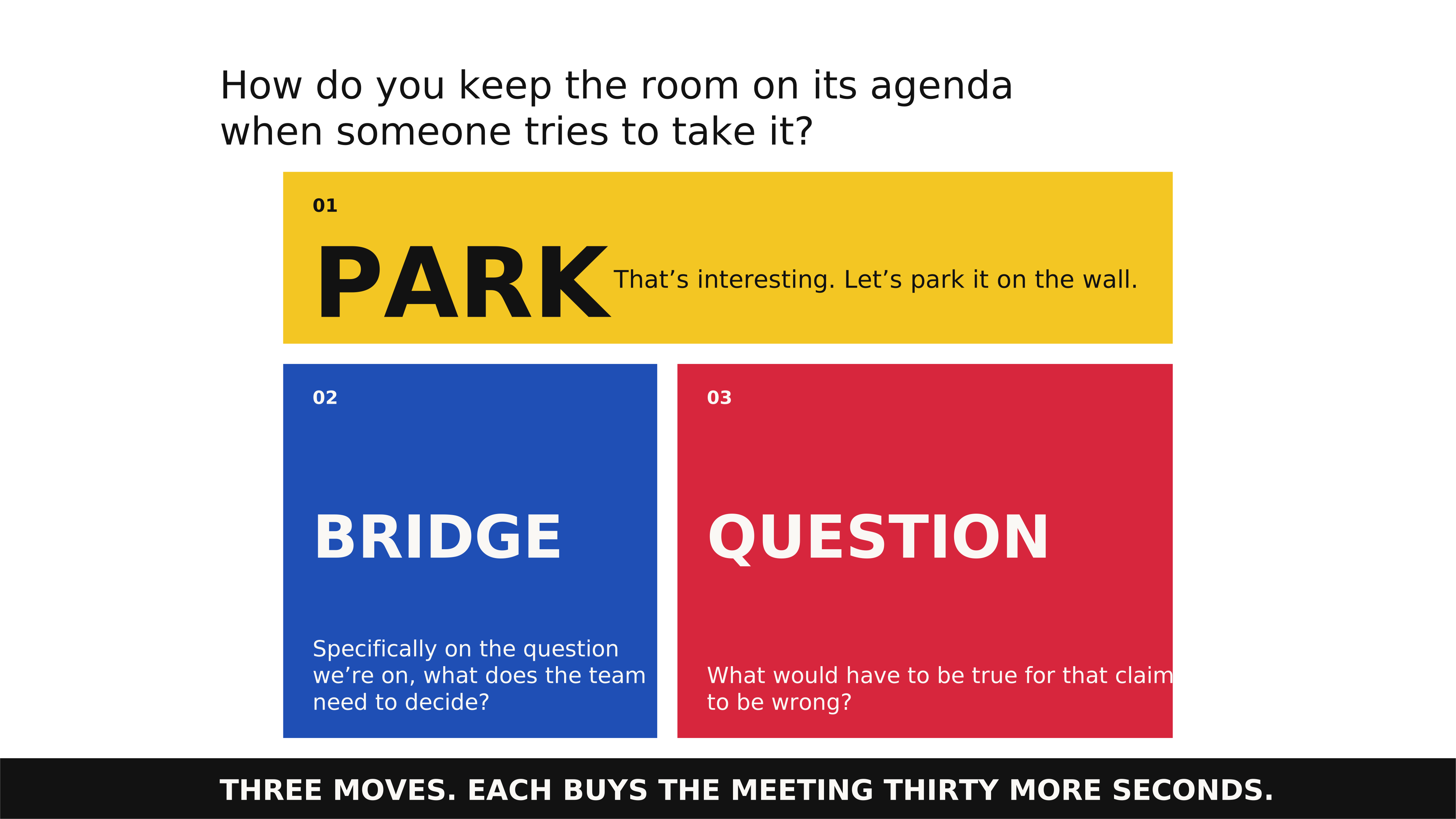
Good facilitation is invisible; poor facilitation is unforgettable. The meta-skill is matching technique to moment — what works for brainstorming fails for decision-making, and vice versa. Core competencies include creating space for contribution, managing energy and time, surfacing different perspectives, and driving toward outcomes.
Reach for a specific technique whenever a group needs to think together rather than merely exchange information. It fails when what's actually needed is content expertise rather than process, or for routine meetings where a simple agenda and a clock would do the job.
Your next move: Who is facilitating your next important meeting — and if the answer is 'whoever called it', why are you trusting outcomes to a role no one is actually playing?
What it looked like for them
Andy Grove, Intel, 1980s onwards. Grove institutionalised what he called "constructive confrontation": anyone in the room could challenge anyone, regardless of rank, provided they brought data. The technique was specific. Seniority didn't win arguments — evidence did.
Junior engineers could challenge a vice president if the numbers supported them. Vice presidents who were used to winning by authority alone found it no longer worked. Meetings were decided by the quality of the argument, not the title of the person making it.
The facilitation wasn't soft. Grove's meetings were famously intense — people described them as combative. But the combat was structured: the rules made it survivable to disagree with power, and that survivability was the mechanism that produced better decisions.
Most facilitation techniques aim to make meetings more comfortable. Grove's aimed to make them more honest. The comfort came later, once people realised that disagreeing with the boss wasn't the end of a career. It was the beginning of a useful conversation.
“The room has gone quiet and I don't know what to ask next.”