
Fail-Fast Prototyping
“IDEO's approach of creating multiple rough prototypes simultaneously.”
You're building something too polished to abandon. The sunk cost is already shaping decisions. You need to learn faster with less at stake.
Fail-Fast Prototyping is IDEO's approach of creating multiple rough prototypes simultaneously to learn quickly through iteration. You build just enough to test a specific assumption, run the test, and iterate — never investing more craft than the question demands.
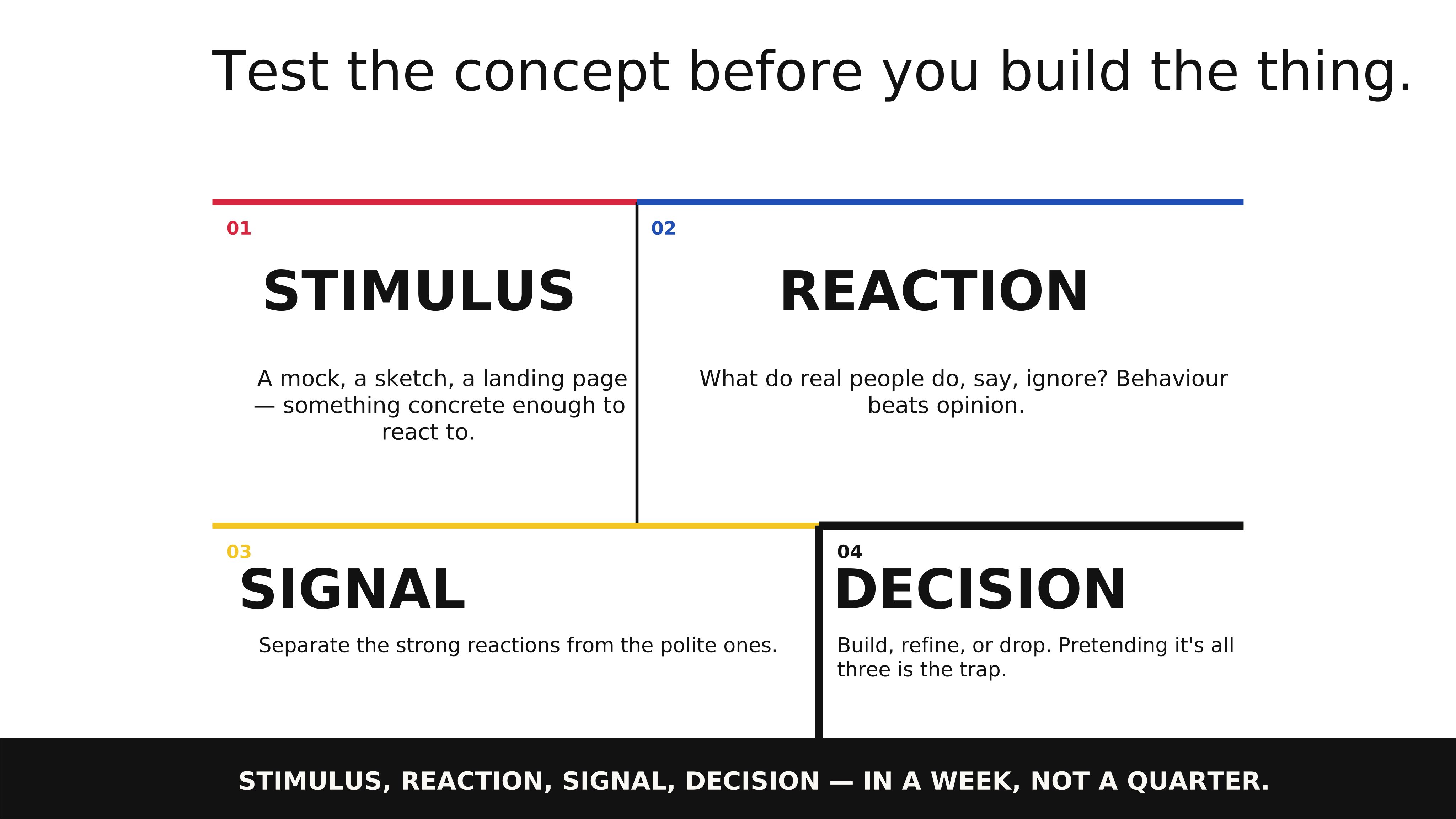
The prototypes are intentionally crude. That's not laziness; it's strategy. A polished prototype creates attachment — the more work you've sunk in, the harder it becomes to pivot when evidence says you should. Rough prototypes maintain the psychological flexibility needed for genuine learning. The unique strength is learning speed: each prototype tests one thing, and every failure provides information.
Reach for it when assumptions are stacked and untested, or when the team is debating in the abstract what a quick build could settle in hours. It fails when failure carries real consequences — medical devices, safety systems — or when there's no learning infrastructure to capture what each test reveals.
Your next move: How polished is the prototype you're currently building — and how much harder will it be to throw away precisely because of how much work you've put into making it look real?
“I've been told to 'be more innovative' and I don't know what that means.”