
Status Reporting
“Status reports are primarily a trust instrument, not a progress tracker.”
The weekly update goes out. Nobody reads it. When problems surface, the stakeholder says they weren't told — even though it was in paragraph four.
Status reporting is a trust instrument disguised as a progress tracker. You write concise, consistent updates focused on what the audience needs to know — variances from the plan and the actions taken — rather than a log of what the team found interesting that week.
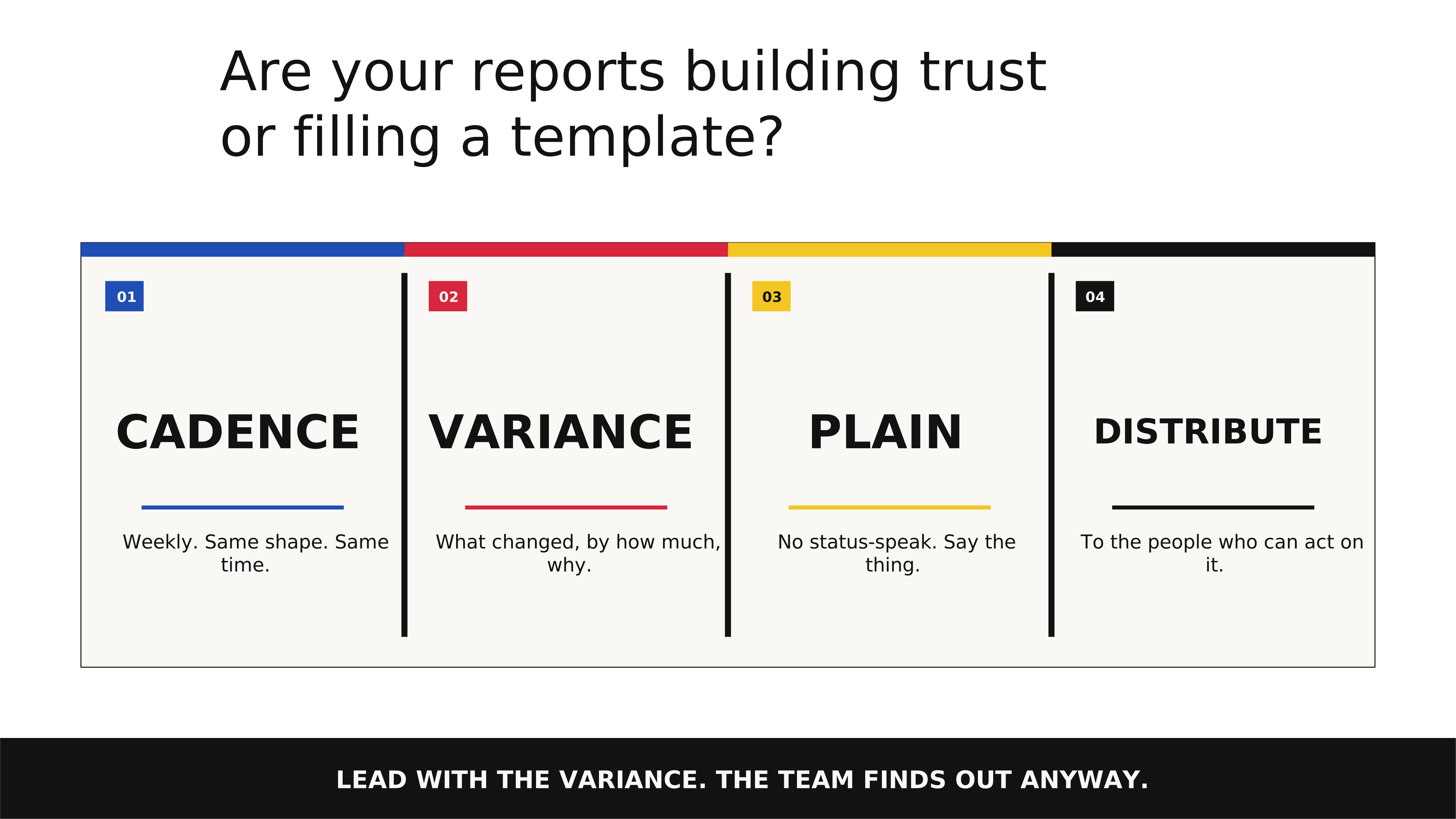
The unique strength is that honest, well-structured reporting builds the stakeholder trust that buys you room when things go wrong. Reach for it whenever there's a gap between the team's reality and the sponsor's understanding — which is most of the time.
Good reports highlight problems early enough to act on them; bad ones bury risks in neutral language until the conversation becomes unavoidable. It fails when no one reads the output, which usually means the format serves the author, not the audience — or the frequency doesn't match the pace of change.
Your next move: Which problem are you about to soften in this week's status report because no one wants to read it written plainly — and how much harder will the same conversation be in three weeks?
What it looked like for them
Nirvanix, September 2013. Nirvanix was an enterprise cloud storage provider — petabyte-scale corporate clients, over seventy million dollars raised, a credible position in a growing market.
On 16 September 2013, they announced they were shutting down and gave customers two weeks to migrate their data. Two weeks. For petabyte workloads. Some customers lost data. The shutdown became the canonical training case for multi-vendor redundancy and exit planning across the cloud storage industry.
The failure wasn't that Nirvanix died — companies die. The failure was in the status reporting that preceded the death. Customers had no warning. The glide path from operational to shut down was two weeks when it should have been months.
Status reporting exists to make the trajectory visible before the destination is unavoidable. Nirvanix's customers didn't need to know everything. They needed to know early enough to act. By the time they were told, acting wasn't an option.
“The deadline moved and nobody told my team.”